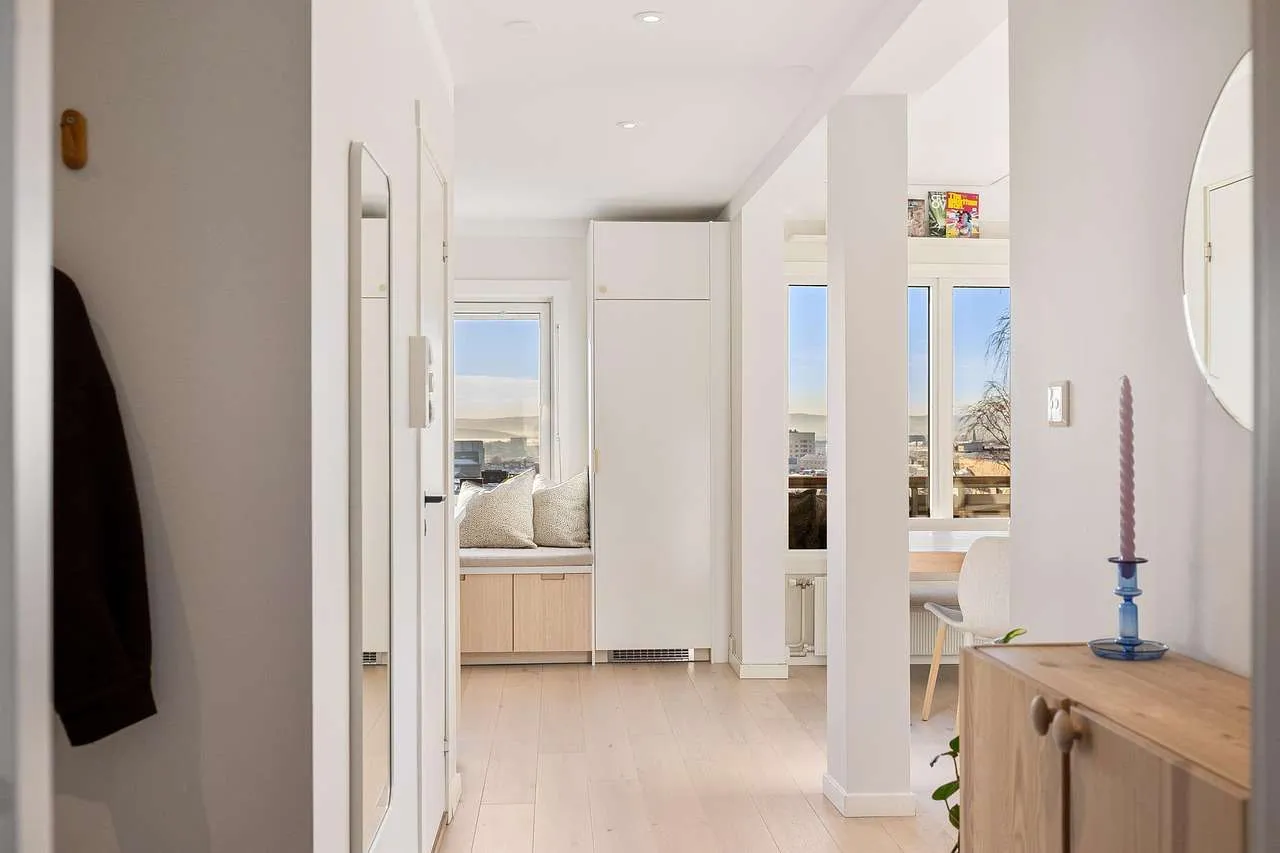
If you are searching for 'home window tinting near me', you want more than a quick service. Residential window tinting can lower energy costs, reduce glare, and protect interiors from sun damage while preserving natural light. This guide reflects insights from seasoned installers and trusted sources to help you find a capable provider near you and understand what to expect from the process.
Why residential window tinting matters
Quality window film shields interiors from intense sunlight, extending the life of furniture and flooring. It also blocks a large portion of UV rays, helps control heat gain, and reduces glare on screens and dashboards. For homeowners, tinting can increase comfort in living spaces, add privacy without sacrificing daylight, and improve safety by holding shattered glass in place during impact.
How to find home window tinting near me
Start with a local search using the core phrase and add city or neighborhood terms. Read recent reviews, view photo galleries, and verify licenses and insurance. Ask for on-site assessments, a written estimate, and references from past projects. Choose installers who demonstrate energy saving knowledge and provide a clear warranty. These steps establish trust and align with EEAT principles.
What to ask an installer
Before you commit, ask about license status and insurance, warranty length for film and installation, and the specific film type recommended for your climate. Request the UV rejection percentage and the solar heat gain coefficient SHGC for the proposed film, as well as expected life span under local conditions. Inquire about curing time, cleaning instructions, and whether the installation will affect smart home sensors or wireless signals in your home.
Film types and how they differ
Residential window films vary by material and performance. Dyed films are affordable and improve appearance but can fade over time. Metalized options offer strong heat rejection but may interfere with certain sensors or GPS devices. Ceramic films provide high heat rejection and clarity without metal, making them a popular all-around choice. Carbon films balance color stability with good heat and UV protection. A professional can recommend a film that meets your goals for privacy, light transmission, and budget.
| Film Type | UV Rejection | Heat Rejection | Privacy | Cost | Notes |
|---|---|---|---|---|---|
| Dyed | Good | Moderate | Low to Moderate | Low | Affordable; may fade over time |
| Metalized | Excellent | High | Moderate | Medium | May affect signals; professional installation recommended |
| Ceramic | Excellent | Very High | High | High | Durable; excellent all-around performance |
| Carbon | Excellent | High | High | Medium to High | Color-stable; strong all-around performance |
Installation process and expectations
A typical home project runs from 1 to 2 days depending on window count and the complexity of shapes. A qualified installer will measure carefully, clean the glass, apply the film with precision, and use a squeegee to remove air and moisture for a clear finish. You may notice a temporary haze as the film cures, followed by a full cure period before heavy cleaning. Ask about the warranty, maintenance requirements, and how to handle edge peeling or edge lift after installation.
Costs and value
Prices vary with film type, glass size, window condition, and labor. Small homes may see a few hundred dollars, while larger properties can run into the thousands. Although ceramic and carbon films cost more upfront, energy savings, glare reduction, and enhanced safety can justify the investment over time. Some installers offer bundled energy audits or rebates that can shorten payback periods.
Safety, legality, and trust signals
Work with licensed professionals who specialize in window films, particularly for high-rise or multi-story installations. Check local regulations on visible light transmission and tint darkness to avoid compliance issues. Look for warranties covering both film and installation, and request a formal contract that outlines scope, timeline, and cleanup. EEAT is supported by verifiable credentials, client references, photos of past work, and industry affiliations that demonstrate Experience, Expertise, Authority, and Trust.
Maintenance is simple: clean with non abrasive cleaners and a soft cloth to preserve clarity. Avoid ammonia based cleaners that can damage some films, and follow the installer instructions for longevity and performance.
Conclusion, choosing home window tinting near me means aligning climate goals, budget, and trusted local installers. With the right film type, a clear warranty, and a professional installation, you can enjoy cooler rooms, stronger UV protection, improved privacy, and a long lasting addition to your home.